EV Charging Calculator
Estimate your charging time and cost
The Ultimate Guide to Calculating EV Charging Costs and Time
Transitioning from a traditional petrol or diesel vehicle to an Electric Vehicle (EV) brings a massive shift in how we think about “refueling.” Instead of visiting a gas station, you’re plugging in at home overnight or grabbing a quick top-up at a highway fast charger.
But this shift brings up two massive questions for every EV owner and prospective buyer: How long will it take to charge? and How much will it actually cost?
Our EV Charging Cost & Time Calculator is designed to take the guesswork out of EV ownership. Whether you are charging a daily commuter like a Tata Nexon EV in your garage or fast-charging a Tesla on a cross-country road trip, this tool gives you exact, real-world estimates.
Here is a complete guide on how the tool works, the terminology you need to know, and how to use it to optimize your charging habits.
Why You Need an EV Charging Calculator
If you’ve ever stared at your electricity bill or a public charger app and wondered how the math works out, you aren’t alone. Here is why this tool is essential:
- Eliminate “Bill Shock”: Know exactly how much an overnight charge will add to your monthly home electricity bill.
- Compare Public vs. Home Charging: Easily switch between your home electricity rate and premium public fast-charging rates to see the price difference.
- Time Management: Stop guessing when your car will be ready. The calculator tells you exactly how many hours and minutes you need to reach your target range.
- Smarter Buying Decisions: If you are shopping for a new EV, you can plug in the battery sizes of different models to see which one fits your daily charging window and budget.
Understanding the Terminology
To get the most accurate results, it helps to understand the technical terms used in the EV ecosystem.
1. Battery Size (kWh)
Think of Kilowatt-hours (kWh) as the “fuel tank size” of your electric car. The higher the number, the more energy the battery holds, and generally, the further the car can go.
- Small/City EVs: 20 – 30 kWh
- Mid-size SUVs/Sedans: 50 – 75 kWh
- Large Luxury/Long-Range EVs: 80 – 120+ kWh
2. Charging Speed / Level
Not all chargers are created equal. The speed at which electricity flows into your car is measured in Kilowatts (kW). The tool breaks this down into three main categories:
- Level 1 (Standard Outlet – ~1.4 kW): This is your standard wall plug. It is very slow, typically adding only a few kilometers of range per hour. Best for plug-in hybrids or emergency overnight top-ups.
- Level 2 (Home Wallbox – 7.2 kW to 11 kW): The sweet spot for EV owners. A dedicated wallbox installed in your home can easily fully recharge most EVs overnight (in about 6 to 9 hours).
- DC Fast Charging (50 kW to 150+ kW): Found at highway rest stops and commercial stations. These bypass the car’s onboard converter to deliver direct current (DC) straight to the battery, allowing you to charge from 10% to 80% in well under an hour.
3. Current & Target Charge (%)
Also known as the State of Charge (SoC). You rarely charge an EV from exactly 0% to 100%. In fact, most manufacturers recommend charging to 80% for daily use to prolong battery health.
4. Electricity Rate
This is what your utility company (or the public charging network) charges you per unit of electricity (per kWh). The tool allows you to select your local currency and automatically inputs the regional average, which you can then adjust to match your exact utility bill.
How to Use the Calculator
Using the tool takes less than 10 seconds. Here is the step-by-step process:
- Enter your Battery Size: Check your car’s manual or spec sheet and input the usable battery capacity in kWh.
- Select your Charger Type: Choose how you are plugging in (Level 1, Level 2, or DC Fast).
- Choose your Region & Rate: Select your currency from the dropdown. If you know your exact electricity rate, type it in.
- Set your Charge Levels: Use the sliders to input what your battery is currently sitting at, and what percentage you want it to reach.
The results at the bottom will instantly update to show the total energy required, the estimated time, and the exact cost.
Technical Note on Accuracy: Our calculator is uniquely designed for real-world accuracy. It factors in efficiency losses (since about 10% of energy is lost to heat during AC charging). It also features a DC Fast Charging curve penalty — because fast charging severely slows down after a battery reaches 80% to protect the cells from overheating.
Real-World Use Cases
How does this look in practice? Here are a few scenarios where the calculator shines:
The Daily Commute Top-Up
You arrive home with a 60 kWh battery sitting at 40%. You plug into your 7.2 kW Level 2 home charger, aiming for the recommended 80% target.
- Result: The tool will show you need about 26.6 kWh of grid energy, it will take roughly 3 hours and 42 minutes, and you’ll know exactly what it costs based on your local overnight tariff.
The Highway Road Trip
You pull into a rest stop with 15% battery. You hook up to a 50 kW DC Fast Charger and want to get to 80% before continuing your drive.
- Result: Because you selected a DC Fast Charger, the tool calculates a highly efficient transfer, showing you’ll be back on the road in just about 50 minutes.
The Cost Comparison
You are debating between buying an EV and a petrol car. You can use the calculator to simulate charging a 50 kWh battery from 10% to 100% at your home electricity rate. Multiply that by how many times you’d need to charge per month, and you have your exact monthly “fuel” budget to compare against local petrol prices.
Read Some more Detailed Guides



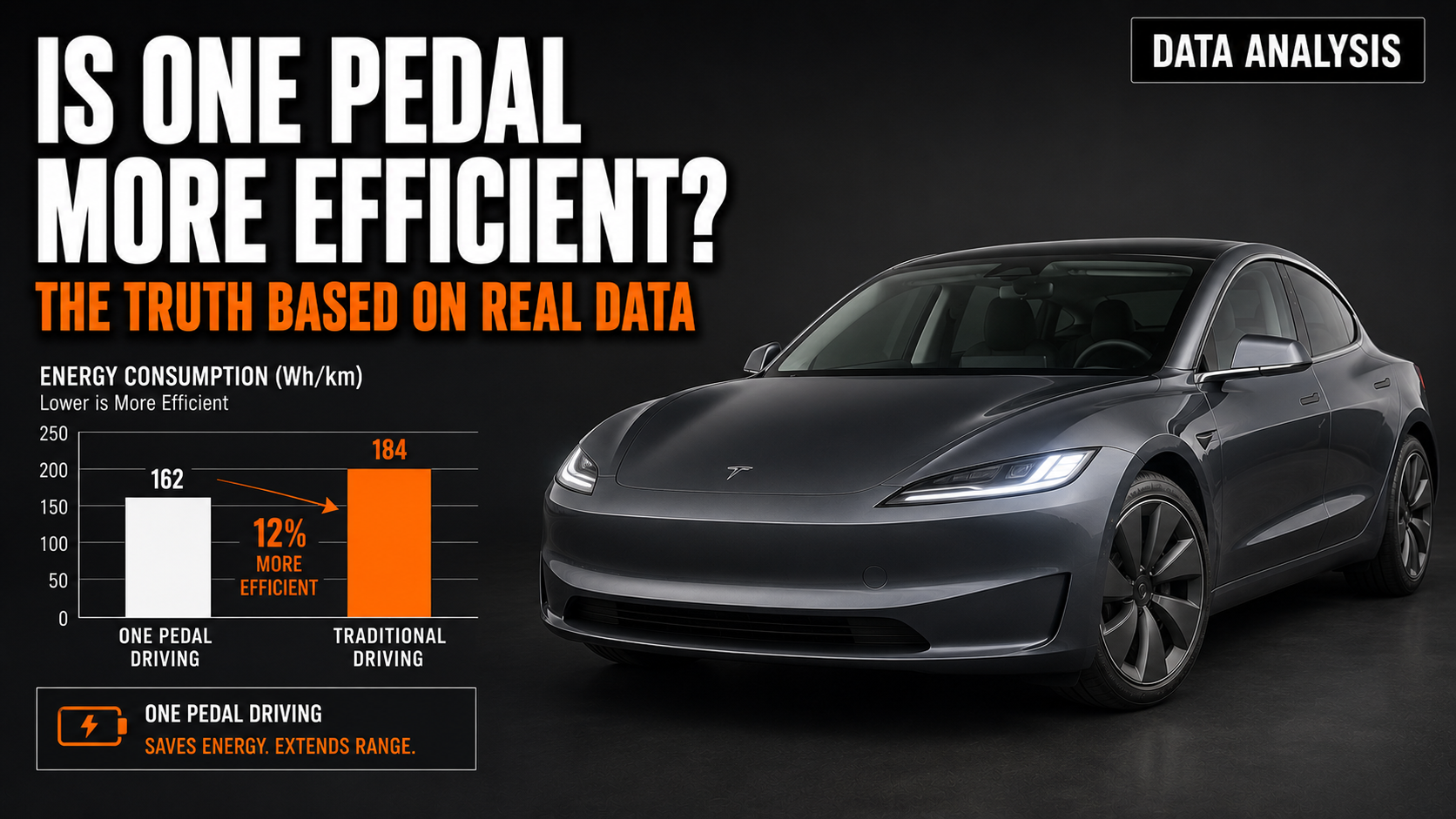
Is One Pedal Driving Actually More Efficient? An Evidence-Based Analysis
An evidence-based look at one pedal driving efficiency, brake lights, regen losses, highway coasting, and when one pedal mode helps EV range.
Read More
Kia EV6 One Pedal Driving: Asian EV Systems Compared
Compare Kia EV6 one pedal driving with Nissan Ariya and Honda Prologue systems. Learn about brake blending, settings, and winter safety.
Read More
BMW i4 One-Pedal Driving: How It Works on the i4, iX, and Audi e-tron
How one-pedal driving works on the BMW i4, iX, and Audi e-tron. B mode explained, regen settings compared, and which system actually saves most energy.
Read More

Top 5 Forgotten Safety Features You Must Demand in Your Next Car Under 15 Lakhs
Demand these 5 forgotten car safety features under 15 lakhs: 3-point rear belts, ESC, headrests, ISOFIX, TPMS and real variant checks.
Read More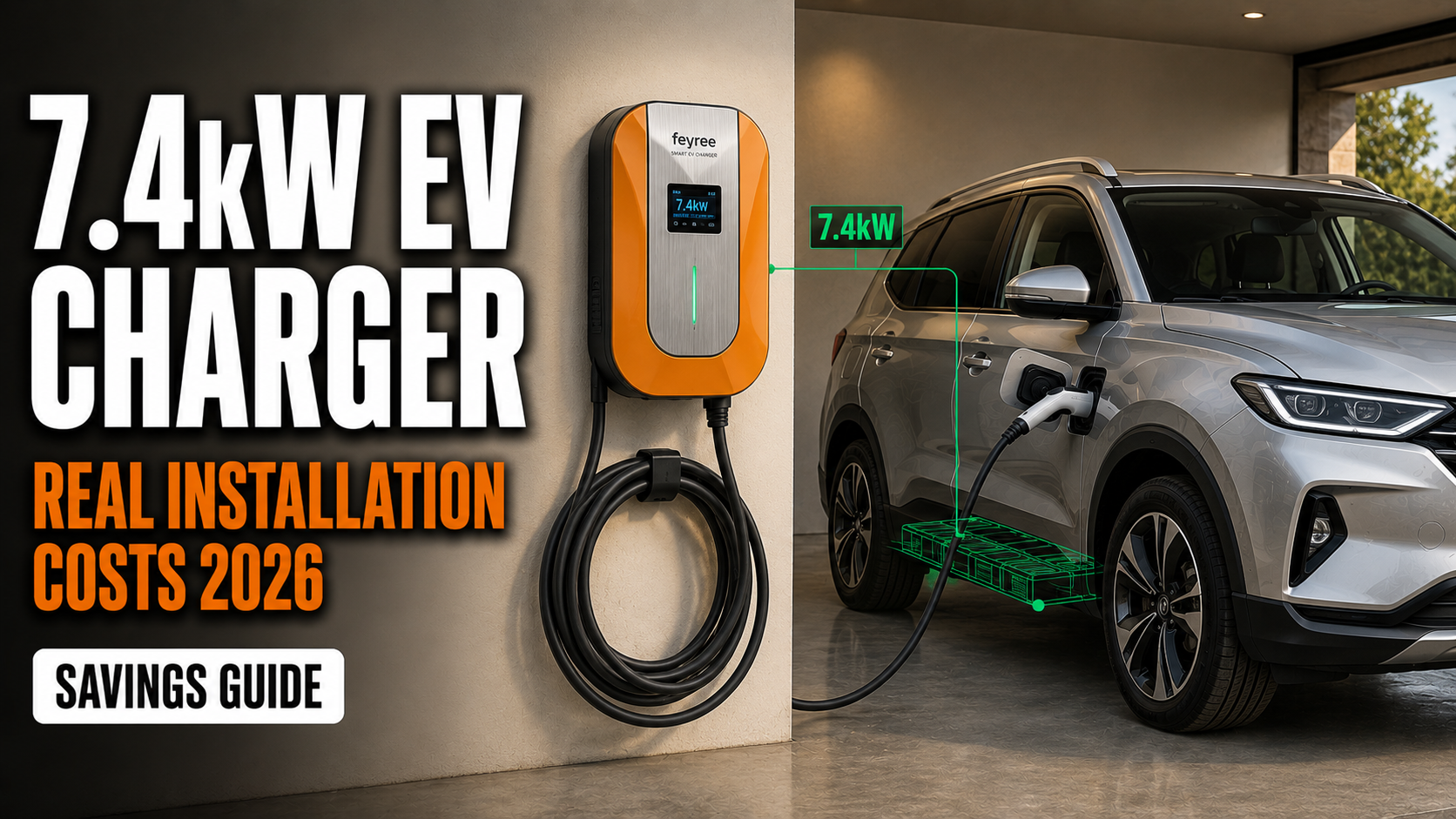
The Real Cost of Installing a 7.4kW Home EV Charger in India (2026 Edition)
Installing a 7.4kW EV charger in India costs ₹35,000 to ₹90,000. Learn about hidden costs like load enhancement, wire gauges (6mm vs 10mm), and DISCOM charges.
Read More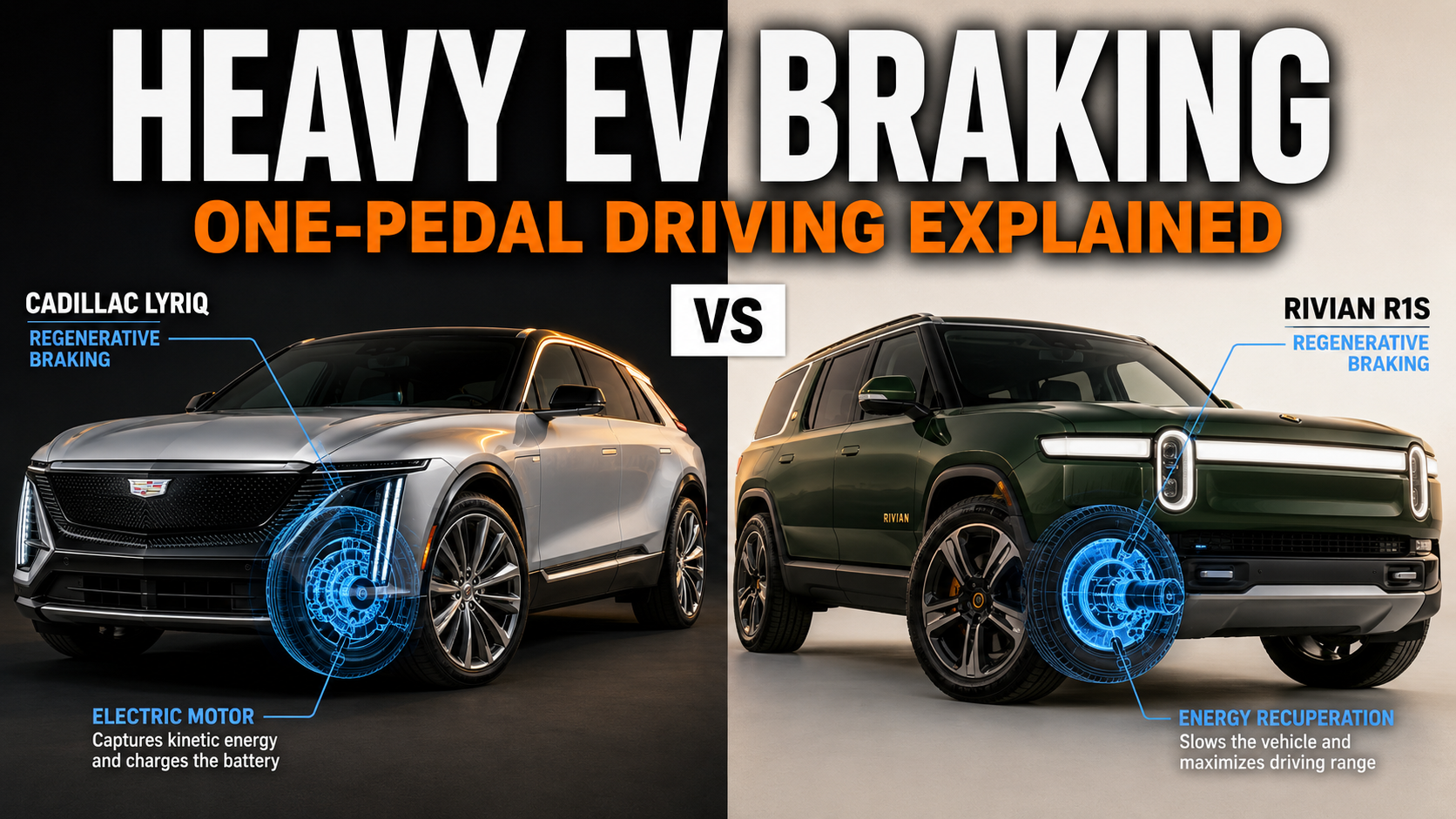
Heavy EV Braking Systems: Cadillac Lyriq and Rivian One Pedal Driving Explained
Compare Rivian one pedal driving and Cadillac Lyriq systems. Learn about regenerative brake assist, steering wheel paddles, and heavy EV stopping physics.
Read More